Source DME Standard Injection Molds for Appliances, Electronics, and Furniture
Find 30 verified options for DME Standard Injection Molds tailored for household appliances, electronics, and furniture. Buyers can compare specifications like material, cavity count, and surface finish to select the right tooling for their production needs.
Key considerations
Products List


OEM Customized Injection Mould with High Efficiency Production and Long Durability
$1000.00 - $15000.00
MOQ: 1 Sets


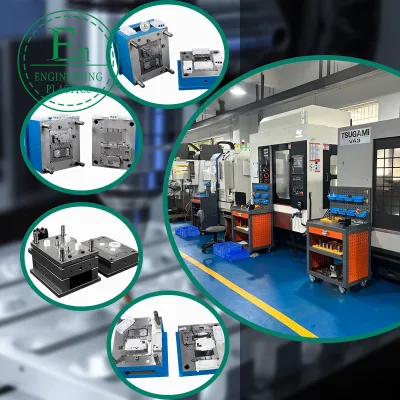
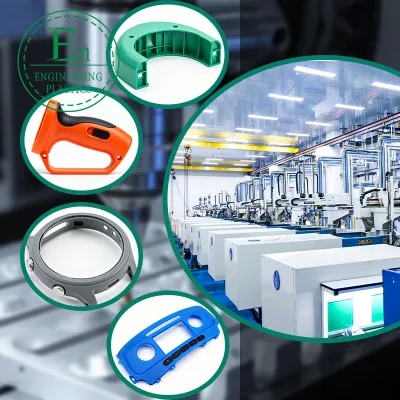


Comprehensive Sourcing Guide
Strategic Sourcing Guide for DME Standard Injection Molds
When evaluating the global market for precision tooling, the term "DME Standard Injection Molds" represents a critical benchmark for buyers seeking reliability, interchangeability, and reduced lead times. DME (Design Molds Engineering) standards are widely recognized in the industry for their modular approach to mold construction, allowing for rapid assembly and maintenance. For procurement professionals, understanding the specific technical attributes, compliance requirements, and cost structures associated with these molds is essential for making informed purchasing decisions. This guide synthesizes available market data to provide a disciplined framework for sourcing these components without relying on unverified claims or speculative pricing.
Technical Specifications and Design Software Compatibility
The foundation of any successful injection mold project lies in the precise definition of technical specifications. When sourcing DME standard molds, buyers must first verify the design software compatibility, as this dictates the ease of communication between the mold designer and the manufacturer. Market observations indicate that leading suppliers often utilize advanced Computer-Aided Design (CAD) platforms such as UG (Unigraphics) and Pro-E (Pro/ENGINEER). These tools are critical for generating the 3D models required to produce molds that adhere to DME standards.
The physical configuration of the mold is equally vital. Buyers should expect variations in the shaping mode, with options ranging from Plastic Molding Dies to Injection Moulds. The choice between Single Cavity and Multi Cavity configurations depends heavily on the production volume required. Single cavity molds are typically selected for low-volume, high-precision runs, whereas multi-cavity setups are designed to maximize output for mass production. Furthermore, the runner system is a key differentiator; the presence of a Hot Runner system is a common feature in modern DME-standard molds, offering significant advantages in material efficiency and cycle time reduction compared to cold runner systems.
The material selection for the mold itself and the final product also requires careful scrutiny. While the mold base must withstand high pressures and temperatures, the plastic material used in the molding process varies by application. Common materials observed in the market include HDPE (High-Density Polyethylene), TPE (Thermoplastic Elastomer), and ABS (Acrylonitrile Butadiene Styrene). Each material dictates specific processing parameters, such as injection pressure and cooling time, which must be aligned with the mold's design capabilities.
Compliance, Certification, and Industry Standards
Navigating the regulatory landscape is a non-negotiable aspect of B2B procurement. For DME Standard Injection Molds, compliance is often verified through a combination of international certifications and adherence to specific industry standards. The DME standard itself is a primary reference, but buyers should also look for molds that conform to HASCO standards, which are another widely accepted European framework for mold components.
Certification checks should extend beyond the mold base to include the finished products and the manufacturing process. Data indicates that compliant suppliers often hold CE certification, ensuring that products meet EU safety, health, and environmental requirements. Additionally, ISO certifications are prevalent, with ISO 9001 (Quality Management) and ISO 14001 (Environmental Management) being standard expectations for reputable manufacturers. Some suppliers may also list RoHS compliance, which restricts the use of hazardous substances in electronic and electrical equipment, and TSCE certification, which may indicate specific regional or industry-specific adherence.
Buyers must verify that the "Standard" field in product documentation explicitly lists DME or HASCO. Relying on generic claims without specific standard references can lead to compatibility issues during mold assembly or maintenance. The presence of these certifications should be validated through official documentation rather than marketing materials alone, ensuring that the supplier's quality management system is robust and auditable.
Cost Drivers and Pricing Variables
Understanding the cost structure of injection molds is essential for budgeting and negotiation. The price of a DME standard mold is not a fixed figure but is influenced by a complex interplay of factors. The observed price range in the market is vast, spanning from $0.10 to $20,000. This extreme variance highlights that pricing is highly dependent on the specific configuration, material complexity, and production volume.
Key cost drivers include the number of cavities, the complexity of the surface finish, and the choice of materials. A mold with a Multi Cavity configuration will inherently cost more than a Single Cavity version due to the increased machining time and material usage. Similarly, the surface finish process significantly impacts cost. Options such as Sand Blasting or Polishing require additional labor and specialized equipment, adding to the final price. The choice of plastic material, such as TPE or ABS, also influences the cost, as some materials require higher processing temperatures or specific mold steel grades.
Lead time is another critical cost driver. While some suppliers offer a lead time of 30 days, others may operate on a "Per Quantity" basis, where the timeline fluctuates based on order volume. The delivery date is often estimated at 15-20 days for standard orders, but this can extend based on the complexity of the design and the availability of raw materials. Buyers should be aware that "Customized" options, while offering tailored solutions, often incur higher costs and longer lead times compared to standard off-the-shelf configurations.
Typical Applications and Functional Requirements
DME Standard Injection Molds are versatile tools used across a diverse range of industries. The application scope is broad, covering sectors such as Household Appliances, Automotive, Electronics, Hardware, and Furniture. For instance, molds designed for Household Appliances often require high durability and specific surface finishes to meet consumer expectations. In the automotive sector, the focus shifts to precision and the ability to handle materials like TPE for flexible components.
The functional requirements of the mold are dictated by the end-use product. For electronic devices, the mold must produce parts with tight tolerances and smooth finishes, often utilizing ABS or similar materials. In the case of commodity goods or home use items, the focus may be on cost-effectiveness and high-volume production capabilities. The "Type" of product being molded, such as a Case or a specific component, also influences the mold design.
Gender and style are less relevant for the mold itself but are critical for the final product. For example, a mold producing a case for a phone must align with current trends and unisex design preferences. The "Function" of the final product, such as being dirt-resistant, is achieved through the mold's surface finish and material selection. Buyers should ensure that the mold design supports the specific functional attributes required by their target market, whether it is a car holder, a household appliance component, or a hardware fixture.
Supplier Evaluation and Production Capabilities
Selecting the right supplier is paramount to the success of any mold procurement project. Buyers should evaluate suppliers based on their design capabilities, production capacity, and adherence to standards. The ability to work with design software like UG and Pro-E is a strong indicator of technical proficiency. Additionally, the supplier's experience with DME and HASCO standards should be verified through past project portfolios or client references.
The customization capabilities of the supplier are also a key evaluation metric. While standard molds are available, many projects require "Per Drawing or Sample" customization. Suppliers that offer "Customized" options with flexible design software integration are better positioned to meet unique client needs. The "Installation" method, whether Fixed or Mobile, should also be considered based on the buyer's production setup.
Quality control is another critical factor. Suppliers should demonstrate a commitment to quality through their certifications and process controls. The use of "Compound Die" or "Single-Process Mode" indicates the supplier's ability to handle complex manufacturing requirements. Buyers should also check the "Molding Method," ensuring it aligns with their production goals, such as Injection Molding for high-volume output.
Quality Control and Long-Term Procurement Considerations
Maintaining high quality throughout the lifecycle of the mold is essential for long-term success. Quality control measures should be implemented at every stage, from design to final delivery. Buyers should verify that the supplier conducts rigorous testing and inspection processes to ensure the mold meets the specified standards. The "Guarantee" period, often cited as 1 Year, provides a baseline for post-delivery support and should be clearly defined in the contract.
Packaging is another aspect of quality control that is often overlooked. The use of PP Bags and Cartons for "prod_packing" ensures that the mold components are protected during transit. This attention to detail reflects the supplier's commitment to delivering products in pristine condition.
Long-term procurement considerations involve building a sustainable relationship with the supplier. Buyers should look for partners who offer consistent lead times, reliable delivery dates, and responsive customer support. The "Lead Time" of 30 days or "Per Quantity" should be factored into the supply chain planning to avoid production delays. Additionally, the "Delivery Date" of 15-20 days should be monitored to ensure timely receipt of goods.
Comparative Analysis of Mold Configurations
To aid in decision-making, buyers can compare different mold configurations based on key attributes. The following table summarizes the observed variations in mold specifications:
| Attribute | Configuration A | Configuration B | Configuration C |
|---|---|---|---|
| Standard | DME | HASCO | DME/HASCO |
| Cavity | Single Cavity | Multi Cavity | Single Cavity |
| Runner | Hot Runner | Hot Runner | Cold Runner |
| Material | HDPE | TPE | ABS |
| Surface Finish | Sand Blasting | Polishing | Polishing |
| Design Software | UG | Pro-E | UG |
| Application | Household Appliances | Electronic | Car, Hardware |
| Certification | CE, ISO | CE, ISO | TSCE, ISO |
| Lead Time | 30 Days | Per Quantity | 15-20 Days |
This comparison highlights the diversity in available options. Configuration A is suitable for household appliances requiring sand blasting, while Configuration B targets the electronic sector with multi-cavity efficiency. Configuration C offers a balanced approach for automotive and hardware applications. Buyers should select the configuration that best aligns with their specific production needs and quality requirements.
Conclusion
Sourcing DME Standard Injection Molds requires a meticulous approach that balances technical specifications, compliance, cost, and supplier reliability. By focusing on verified standards like DME and HASCO, ensuring robust certifications such as CE and ISO, and understanding the cost drivers associated with cavity count and material selection, buyers can make informed decisions. The versatility of these molds across various industries, from household appliances to automotive components, underscores their importance in modern manufacturing. Ultimately, a disciplined procurement strategy that prioritizes quality control and long-term supplier relationships will yield the best results in the competitive global market.
FAQs
What design software is used for DME Standard Injection Molds?
Leading suppliers utilize UG and Pro-E design software for creating DME standard molds. These platforms generate the necessary 3D models to ensure molds adhere to DME and HASCO standards for precision and interchangeability.
Which certifications should DME Standard Injection Molds possess?
Compliant molds typically hold CE, ISO, RoHS, and TSCE certifications. These verify that the manufacturing process and finished products meet international safety, quality management, and environmental requirements for global markets.
How does cavity configuration affect DME mold pricing?
Multi-cavity molds generally cost more than single-cavity versions due to increased machining time and material usage. Buyers should expect price variances based on the specific number of cavities and the complexity of the runner system.
Can DME molds be customized for specific applications?
Yes, suppliers offer customized options based on drawings or samples for various applications. These molds can be tailored for household appliances, electronics, or automotive parts while maintaining standard DME construction principles.
What is the typical lead time for DME standard molds?
Lead times vary from 15 to 30 days depending on order quantity and complexity. Some suppliers operate on a per-quantity basis, while others provide fixed delivery dates of 15-20 days for standard configurations.
Which plastic materials are compatible with DME injection molds?
Common materials include HDPE, TPE, and ABS, selected based on the end-product requirements. The mold design must accommodate the specific processing parameters like temperature and pressure for each material type.
Where are DME standard injection mold manufacturers located?
Many reputable manufacturers are based in Dongguan, China, a hub for precision tooling. Buyers should verify the origin to ensure the supplier meets specific logistics and quality standards required for their project.